Deconstructing Coverage Limits and Exclusions: A Deep Dive into Policy Fine Print
You know that moment when you think you've got everything buttoned up, only to find a tiny detail unravels the whole thing? That's exactly why we're really digging into the policy fine print today, because it's not the big numbers that often trip us up, but the often-overlooked mechanics. Take, for instance, the aggregate limit; it typically only resets annually, creating a real vulnerability if you have several smaller, sequential losses within one policy year that could chew through coverage faster than anticipated. And then there's the incredibly critical, sometimes frustratingly narrow, definition of "occurrence" itself. Courts, say in Texas, have a history of interpreting this as a single, sudden event, which totally changes how cumulative issues, like pollution claims, get grouped or
Utilizing Data Analytics for Proactive Risk Identification Within Policy Structures
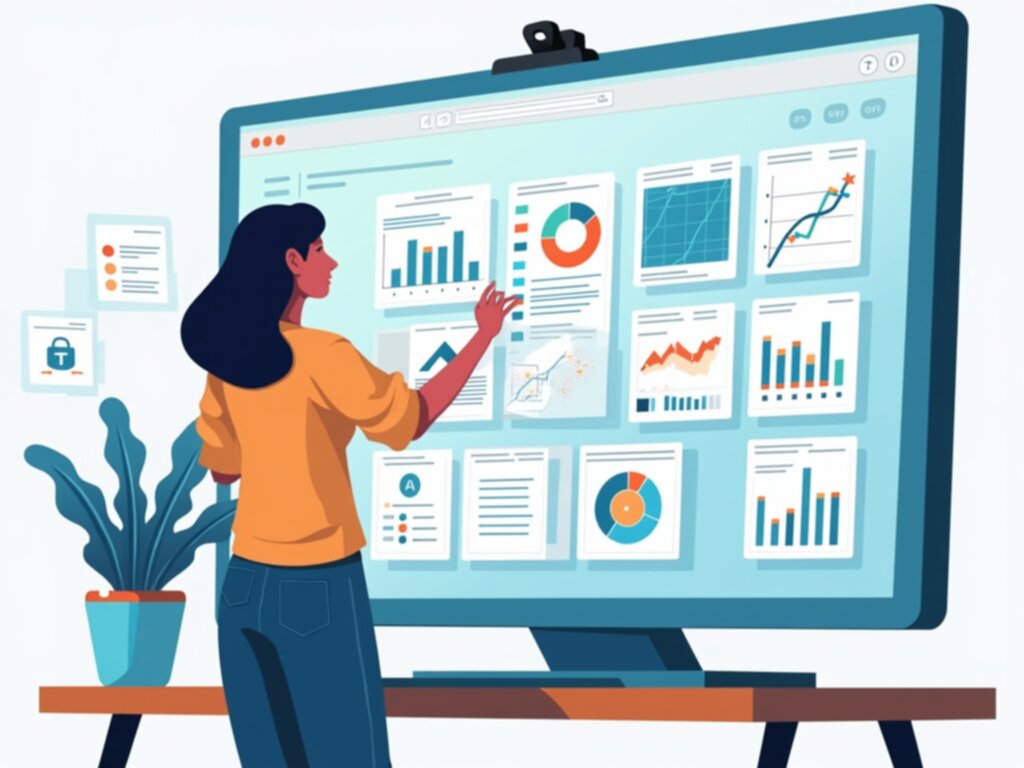
Honestly, we've all been there—staring at a stack of policy documents and feeling like we're just waiting for something to go wrong. But here’s the thing: waiting for a claim to happen is basically like checking your smoke detector only after you smell smoke. I've been looking into how top-tier firms are flipping the script by using data analytics to find trouble before it actually lands on their desk. Instead of just looking at what happened last year, these companies are feeding real-time supply chain data and geopolitical shifts into models that flag where their current policy might leave them exposed. Think about it this way. If your business is a ship, traditional insurance is the life jacket, but data analytics is the radar that sees the iceberg five miles out. I’m not saying it’s a perfect crystal ball—nothing is—but we're seeing a massive shift toward "predictive underwriting" where the policy stays in sync as your risk profile moves. Look, most corporate risk managers are still stuck in a cycle of annual renewals, which is honestly a bit reckless in a world that moves this fast. We're seeing generative AI being used now to check thousands of internal safety reports against external market trends to find hidden risks that a human might miss. You don’t need a room full of supercomputers to start; you just need to begin tying your daily operational data to your insurance strategy. I recently saw a case where a firm avoided a multi-million dollar business interruption hit just because their data flagged a supplier's financial instability months before the collapse. Let’s pause for a moment and reflect on that, because moving from a reactive stance to a proactive one isn't just about saving money—it's about staying in the game.